How to Optimize Your Website for Search Engines
Getting your website to show up on that first page of Google isn’t about luck, it’s about following a proven, repeatable process. Whether you’re a small business owner in Boston, a real estate agent in Los Angeles, or running an e‑commerce store from Kansas City, the fundamentals of search engine optimization are the same.
In this guide, I’ll walk you through step‑by‑step techniques, quick performance wins you can act on today, and a five‑step framework that makes mastering SEO feel less like guesswork and more like a habit.
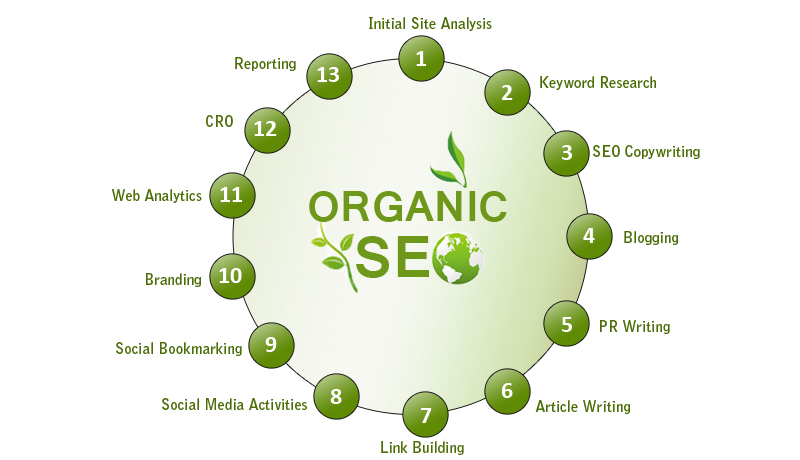
Why Search Engine Optimization Still Matters
Google processes billions of searches every day, and 68% of all online experiences start with a search engine. When your site is properly optimized, you earn a consistent stream of visitors who are actively looking for exactly what you offer, no ad spend required. What’s more, search engine optimization builds credibility.
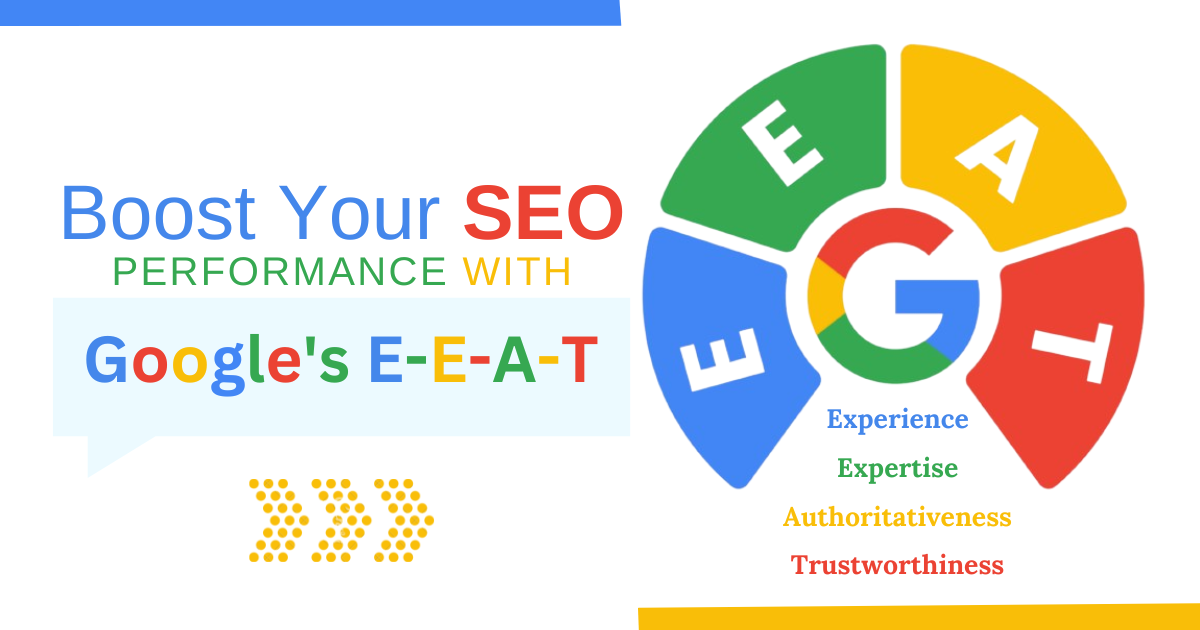
The principles of E‑E‑A‑T (Experience, Expertise, Authoritativeness, Trustworthiness) reward content that’s genuinely helpful, well‑researched, and built for people first. If you’re aiming for sustainable growth, ignoring SEO simply isn’t an option.
Step‑by‑Step SEO Techniques for Better Rankings

Start with Keyword Research and Search Intent
Before you write a single word, understand what your audience is typing into Google. Tools like Google Keyword Planner, Ubersuggest, or Ahrefs reveal not just the words, but the why behind them. Search intent falls into four main buckets: informational (they want to learn something), navigational (they want a specific site), commercial (they’re researching a purchase), and transactional (they’re ready to buy).
If you’re targeting search engine optimization for real estate, for example, a blog titled How to Buy a Home in Los Angeles meets commercial intent far better than a generic dictionary definition of a mortgage. Map each keyword to the right type of content, and you’ll see far better engagement.
On‑Page Optimization That Speaks Google’s Language
Every page needs a unique title tag that includes your primary phrase, like organic search engine optimization, and a meta description that makes searchers want to click. Use a clear header hierarchy: one H1, followed by H2s and H3s that break the topic into scannable chunks. Internal links matter more than people think; a link from a high‑authority article to a newer, related post passes ranking power and keeps readers browsing.
Images deserve attention, too. Compress them to speed up load times, use descriptive file names, and write alt text that accurately describes what’s in the picture. If you’re on a budget, these tasks don’t require hiring an affordable search engine optimization company, they’re doable with basic plugins like Yoast SEO or Rank Math.
Technical SEO Must‑Haves
Think of technical SEO as the plumbing of your house: nobody sees it when it works, but a clogged pipe ruins everything. Submit an XML sitemap through Google Search Console, check your robots.txt file to avoid blocking important pages, and make sure your site loads quickly on mobile.
Core Web Vitals now focus on loading speed, interactivity, and visual stability, if a button shifts right as someone taps it, you’re failing the CLS metric. Adding structured data (Schema markup) for articles, FAQs, or local businesses can also earn you eye‑catching rich snippets in search results.
Content That Satisfies Both People and Engines
Even perfectly optimized pages won’t rank if the content doesn’t help anyone. Write like you’re explaining a concept to a friend: clear, concise, and jargon‑free.
Use short paragraphs, bullet points, and plenty of subheadings. Show your experience by sharing real examples, and demonstrate expertise by citing data from trusted sources. A page that genuinely answers a question for a visitor in New York City search engine optimization circles, for instance, might detail how local citation consistency boosted a Brooklyn boutique’s foot traffic.
When you refresh old posts with new statistics and republish them, Google sees a fresh piece of content, and your audience gets an up‑to‑date resource.
Off‑Page SEO and Authority Building
The web’s currency is trust, and trust often arrives in the form of backlinks. Not all links are equal, though. One link from a respected industry blog outweighs dozens from random directories. To earn quality backlinks, create something worth referencing: an original study, a detailed guide, or a tool.
If you’re looking for real estate search engine optimization success, for example, publishing a neighborhood market report that local news sites pick up can generate authoritative links.
Remember that local SEO extends beyond links. If you serve a specific area, optimize your Google Business Profile with accurate NAP (Name, Address, Phone) information and encourage satisfied customers to leave reviews.
Whether you consult a California search engine optimization company or a specialist in Los Angeles SEO search engine optimization, a consistent local presence helps you appear in the map pack and local search results.
How to Boost Your Site’s SEO Performance Today
Not everything requires a months‑long plan. There are quick wins that can move the needle almost immediately. Start with a free Scan using Google Search Console’s Coverage report—fix any 404 errors by setting up 301 redirects, especially if those broken pages have backlinks pointing to them. Then, open your top 10 posts and check their meta descriptions. If they read like a list of keywords, rewrite them as compelling ads that promise a solution.
Another high‑impact, low‑effort task: compress all existing images with a tool like ShortPixel, and switch to a modern format like WebP if your CMS supports it. You can also give an underperforming article a quick refresh by updating the introduction, adding a relevant 2026 statistic, and re‑publishing it with today’s date. For local businesses, claiming a Google Business Profile, something an organic search engine optimization company would always prioritize Hive Nexis can bring immediate visibility in your area.
If you’re pursuing affordable search engine optimization, these zero‑cost adjustments offer a greater return than many paid tools. The key is consistency: carve out 30 minutes a week to audit small details, and the cumulative effect will surprise you.
How to Master Search Engine Optimization in 5 Steps
Mastery isn’t about learning every algorithm update; it’s about building a strategic system.
Audit and set baselines. Install Google Analytics 4 and Google Search Console. Record your current organic traffic, keyword rankings, and conversion rate. Without a starting point, you can’t measure progress.
Fuel a content engine centered on user intent. Move beyond random blogging. Use topic clusters—pillar pages linked to detailed sub‑articles, to signal expertise. If you do business in the Kansas City search engine optimization market, a pillar page about Kansas City Digital Marketing supported by posts on local citations and service‑specific guides builds topical authority.
Make technical excellence non‑negotiable. Schedule monthly checks on mobile usability, page speed, and structured data errors. Google’s PageSpeed Insights and Lighthouse are free and actionable.
Cultivate genuine authority. Contribute guest articles to reputable industry platforms, host a podcast, or share data‑driven insights on LinkedIn. Real authority comes from being seen as a go‑to resource, not just buying links.
Measure, iterate, and stay curious. At the end of each quarter, ask: which pages converted visitors into customers? Double down on what works, and let go of what doesn’t. The algorithm will shift, but the habit of testing and learning keeps you ahead.
This framework works whether you’re a solopreneur or working with an organic search engine optimization company. The secret is turning SEO from a one‑off project into a continuous practice.
Common Mistakes to Avoid
Even experienced site owners slip up. Avoid cramming keywords into every sentence, readers notice and search engines penalize it. Never ignore mobile experience; more than 60% of searches now happen on phones. Chasing hundreds of low‑quality backlinks will hurt you far more than having a few great ones. And perhaps the most damaging mistake: expecting overnight results. SEO builds like compound interest, not a lottery ticket.
Frequently Asked Questions
How long does it take to see results from search engine optimization?
Typically 3 to 6 months for meaningful traction, though competitive niches may take longer. Quick technical fixes can yield improvements in weeks, but authority building is a marathon.
Can I do SEO on a tight budget, or do I need an affordable search engine optimization company?
You can absolutely start on your own using free resources like Google Search Console, and many site owners find success with self‑education. If your time is stretched thin, partnering with an affordable search engine optimization company can accelerate results without breaking the bank.
What is organic search engine optimization?
It refers to the techniques that help your site rank naturally in unpaid search results, no ads involved. Everything in this guide falls under organic search engine optimization.
Absolutely. If someone types search engine optimization Boston or New York City search engine optimization, they’re looking for nearby expertise. Optimizing for local intent, through Google Business Profile, local citations, and location‑specific content, directly connects you with those ready‑to‑buy customers.
Comments
Post a Comment